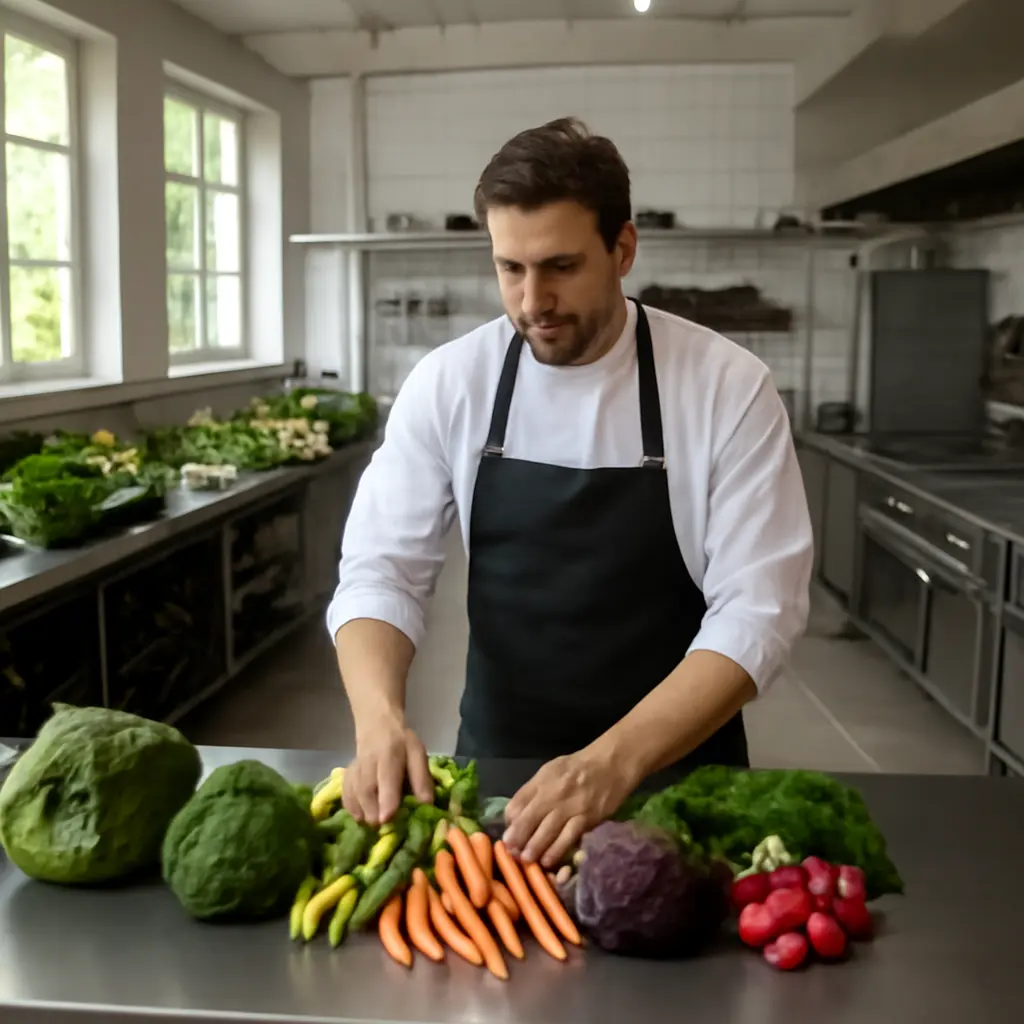
Farm-to-table fine dining restaurants show that sustainability can strengthen rather than diminish a memorable meal. By sourcing seasonal ingredients from nearby farms and fisheries, reducing waste, and designing menus around what is available, these restaurants can offer distinctive flavors while supporting more resilient food systems. The case is practical as well as culinary: the U.S. Environmental Protection Agency estimates that food waste accounts for 24% of material sent to municipal landfills, while the Food and Agriculture Organization reports that food loss and waste contribute an estimated 8–10% of global greenhouse-gas emissions. Farm-to-table dining is not automatically sustainable, but its sourcing, menu design, and waste practices can make environmental responsibility part of the fine-dining experience—not a compromise.
How Farm-to-Table Sourcing Elevates Fine Dining
Farm-to-table describes a purchasing and menu approach that connects restaurants more directly with farms and other food producers. There is no single legal definition that guarantees a restaurant’s food is local, organic, or environmentally preferable. The National Restaurant Association describes local sourcing as a prominent restaurant trend, while the U.S. Department of Agriculture’s local-food research tracks direct sales and regional supply chains rather than imposing one universal distance limit. In practice, diners should look for transparent sourcing claims, named producers, and seasonal menus.
Fine dining adds an emphasis on technique, hospitality, presentation, and carefully selected ingredients. When these priorities meet, chefs can build menus around flavor at its peak, preserve surplus produce, and give guests a clearer connection to the people and places behind a dish. The strongest examples treat local sourcing as a culinary method and a purchasing commitment, not simply a marketing label.
Seasonality as a Culinary Advantage
A seasonal menu changes with the harvest rather than requiring every ingredient to be available year-round. Produce picked when ripe can bring pronounced flavor and texture, giving chefs a reason to adjust dishes as crops change. Seasonal cooking also encourages creativity: a glut of tomatoes may become a preserve, while winter roots can anchor a menu when fresh local fruit is scarce. Seasonality does not by itself prove lower environmental impact, but it can reduce reliance on long-distance supply chains and energy-intensive storage when paired with thoughtful procurement.
Traceable Relationships with Producers
Direct relationships allow chefs to ask how food was grown, harvested, and transported, while farmers can plan around a restaurant’s needs. The USDA’s Census of Agriculture and local-food marketing research document the role of direct-to-consumer and regional sales in American agriculture, though they do not establish that every local purchase has a smaller footprint. Restaurants can make their claims more meaningful by naming farms, identifying growing practices accurately, and explaining when ingredients come from outside the region.
These relationships can also improve the guest experience. A menu that identifies a farm or fishing community provides context, and staff can explain why a particular variety or catch appears for a limited time. That transparency turns sourcing into part of hospitality rather than a footnote.
How Sustainable Menu Design Protects Flavor and Resources
Sustainable menu design brings ingredient choices, portion planning, and kitchen technique together to meet culinary standards while reducing avoidable environmental costs. The approach is broader than buying local: food production methods, ingredient mix, cold storage, transport, and what happens to scraps all matter. A 2023 study published in Nature Food estimated that food systems account for roughly one-third of human-caused greenhouse-gas emissions, underscoring why sourcing and menu choices deserve attention even in a single restaurant.
Plant-Forward Courses and Ingredient Balance
Plant-forward dining places vegetables, grains, legumes, and fruit at the center of more dishes while retaining room for meat, seafood, and dairy. It is not synonymous with a fully vegetarian menu. The approach can diversify a tasting menu and make seasonal produce the star, while also responding to the substantially higher average greenhouse-gas impacts associated with many animal-based foods compared with most plant foods, as summarized by research including Poore and Nemecek’s 2018 Science analysis of global food production.
Fine-dining technique helps make this shift satisfying: vegetables can be grilled, fermented, aged, or paired with rich sauces and carefully developed stocks. The aim is not to imitate a conventional meat-centered plate but to build depth through texture, acidity, aroma, and umami.
Whole-Ingredient Cooking and Waste Reduction
Whole-ingredient cooking uses more of each purchased ingredient, from stems and leaves to bones and trimmings, when safe and appropriate. Kitchens may turn vegetable trim into stock, fruit into preserves, and stale bread into crumbs or desserts. These methods require sound food-safety controls and careful labor planning, but they can reduce the amount of edible material discarded while creating distinctive flavors.
The scale of the opportunity is substantial. The EPA estimates that food waste makes up 24% of municipal solid waste sent to landfills in the United States. The FAO’s global estimate that 8–10% of greenhouse-gas emissions are associated with food loss and waste highlights the climate relevance of prevention. Restaurants can track prep waste, spoilage, and plate returns to identify where practical changes will have the greatest effect.
Preservation and Off-Season Creativity
Preservation—through freezing, drying, curing, pickling, or fermentation—extends the use of seasonal ingredients beyond their harvest window. A chef can serve summer fruit in winter or use fermented vegetables to bring acidity and complexity to a cold-weather dish. Preservation can support a more varied menu and reduce spoilage, although energy use, packaging, and safe processing still need to be considered.
Together, these menu practices show why sustainability need not mean less ambition. They give chefs additional constraints to work with, and those constraints can prompt new techniques, flavor combinations, and narratives for guests.
How Restaurant Operations Turn Sustainability into Practice
A restaurant’s environmental performance depends on more than its menu. Purchasing standards, energy and water use, packaging, staff training, and waste handling all shape its impact. The EPA’s food-recovery hierarchy places prevention and donation above disposal, recommending that organizations first avoid surplus, then feed people, and then consider other beneficial uses before landfill or incineration.
Procurement, Seafood, and Honest Claims
Responsible procurement means evaluating how ingredients are produced, not just how far they travel. For seafood, the Monterey Bay Aquarium Seafood Watch program offers recommendations based on factors such as species, fishing method, and fishery management. For farms, restaurants can ask about soil practices, pesticide use, animal welfare, and labor conditions without treating any one label as a complete measure of sustainability.
This distinction matters because “local” is not a universal environmental guarantee. A nearby product may still be resource-intensive, while an efficiently transported item from farther away may compare favorably on some measures. Credible restaurants explain their standards, acknowledge seasonal exceptions, and avoid claims they cannot substantiate.
Energy, Water, and Waste Systems
Commercial kitchens use energy for refrigeration, cooking, ventilation, and dishwashing, while water is essential for cleaning and food preparation. Efficient equipment, well-maintained refrigeration, induction cooking where suitable, and staff practices that prevent unnecessary running water can reduce operational demand. Because performance varies by building and equipment, restaurants should use utility bills and meter data to measure progress rather than relying on broad claims.
Waste systems work best when prevention comes first. Restaurants can forecast reservations, refine purchasing, standardize portions, and record waste by category. Safe surplus food may be donated where local rules and logistics allow; unavoidable scraps can sometimes be composted or sent to anaerobic digestion. Diversion is useful, but preventing edible food from becoming waste is generally the more direct solution.
Staff and Guest Participation
Servers, cooks, and managers make sustainability operational. Staff training can help teams explain seasonal substitutions, manage portions, separate waste correctly, and handle donations safely. Guests contribute when menus offer appropriate portion choices, communicate sourcing clearly, and make plant-forward courses appealing without moralizing.
The result is a more coherent dining experience: the story of a dish can connect the producer, the kitchen’s technique, and the guest’s enjoyment. Sustainability becomes visible through quality and care rather than through a sacrifice in comfort or flavor.
Real-World Models Show the Range of Farm-to-Table Dining
Farm-to-table fine dining takes different forms depending on geography, season, and restaurant scale. The following examples illustrate approaches rather than proving that every operational choice has a lower measured footprint; restaurants’ sourcing and practices can change, so current claims should be checked directly with each establishment.
Blue Hill at Stone Barns: Menus Rooted in an Agricultural Setting
Blue Hill at Stone Barns in New York is closely associated with an agricultural campus and a menu shaped by the surrounding landscape and harvest. Its model makes the farm and food system part of the dining conversation, illustrating how a restaurant can build culinary identity around what is growing and available. The broader lesson is that farm-to-table dining is strongest when the sourcing relationship influences the menu itself, not merely the wording used to describe it.
The French Laundry: Seasonal Sourcing in a High-End Setting
The French Laundry in California’s Napa Valley is known for a refined tasting-menu format and close ties to regional ingredients, including produce associated with its gardens and local suppliers. Its example demonstrates that seasonal ingredients can support elaborate technique and presentation. It also shows why sustainability claims should be evaluated across the full operation: a celebrated garden or local supplier is one part of a restaurant’s footprint, not a complete environmental audit.
A Repeatable Model for Independent Restaurants
Smaller restaurants can adapt the same principles without owning a farm or offering a long tasting menu. A practical model is to maintain a core menu, rotate a few dishes with the harvest, identify key suppliers, create preservation plans for surplus produce, and measure kitchen waste. This approach protects consistency while giving chefs room to respond to local availability and avoid purchasing ingredients that are difficult to use before they spoil.
Why Sustainability Is Not a Compromise—and Where It Requires Care
Farm-to-table fine dining challenges the idea that environmental responsibility makes food less pleasurable. Seasonal variety can increase freshness; whole-ingredient cooking can deepen flavor; and transparent sourcing can make a meal more meaningful. At the same time, sustainability is not guaranteed by an attractive origin story. Restaurants must consider the full supply chain, including production methods, refrigeration, transport, labor, packaging, and waste.
The strongest evidence of commitment is specific and measurable: named suppliers, accurate sourcing descriptions, waste tracking, credible seafood choices, and operational improvements that can be reviewed over time. For diners, useful questions include what is in season, where key ingredients come from, and how the restaurant handles surplus food. For operators, the next step is to choose a few measurable priorities, establish a baseline, and report progress honestly.
Conclusion: Farm-to-Table Fine Dining Makes Sustainability Part of the Experience
Farm-to-table sourcing can elevate fine dining when it supports seasonal creativity, traceable producer relationships, thoughtful menu design, and waste prevention. The data on food-system emissions and landfill waste show why these practices matter, while restaurant examples demonstrate how they can fit an ambitious culinary vision. Sustainability is not automatically achieved by buying nearby, but with transparent standards and measured operations, environmental care can enhance flavor, hospitality, and trust. Restaurants can begin by tracking waste and naming suppliers; diners can support the places that explain their choices clearly and invite guests to enjoy food at its seasonal best.
Sources: U.S. Environmental Protection Agency, “Food: Material-Specific Data,” https://www.epa.gov/facts-and-figures-about-materials-waste-and-recycling/food-material-specific-data; Food and Agriculture Organization of the United Nations, “Food wastage footprint & Climate Change,” https://www.fao.org/3/bb144e/bb144e.pdf; National Restaurant Association, “What’s Hot 2024 Culinary Forecast,” https://restaurant.org/research-and-media/research/research-reports/whats-hot-2024-culinary-forecast/; U.S. Department of Agriculture, Economic Research Service, “Local Food Systems,” https://www.ers.usda.gov/topics/food-markets-prices/local-food-systems/; Crippa et al., “Food systems are responsible for a third of global anthropogenic GHG emissions,” Nature Food, 2021, https://doi.org/10.1038/s43016-021-00225-9; Poore and Nemecek, “Reducing food’s environmental impacts through producers and consumers,” Science, 2018, https://doi.org/10.1126/science.aaq0216; U.S. Environmental Protection Agency, “Wasted Food Scale,” https://www.epa.gov/sustainable-management-food/wasted-food-scale; Monterey Bay Aquarium, Seafood Watch, https://www.seafoodwatch.org/; Blue Hill at Stone Barns, official website, https://www.bluehillfarm.com/; The French Laundry, official website, https://www.thomaskeller.com/tfl.