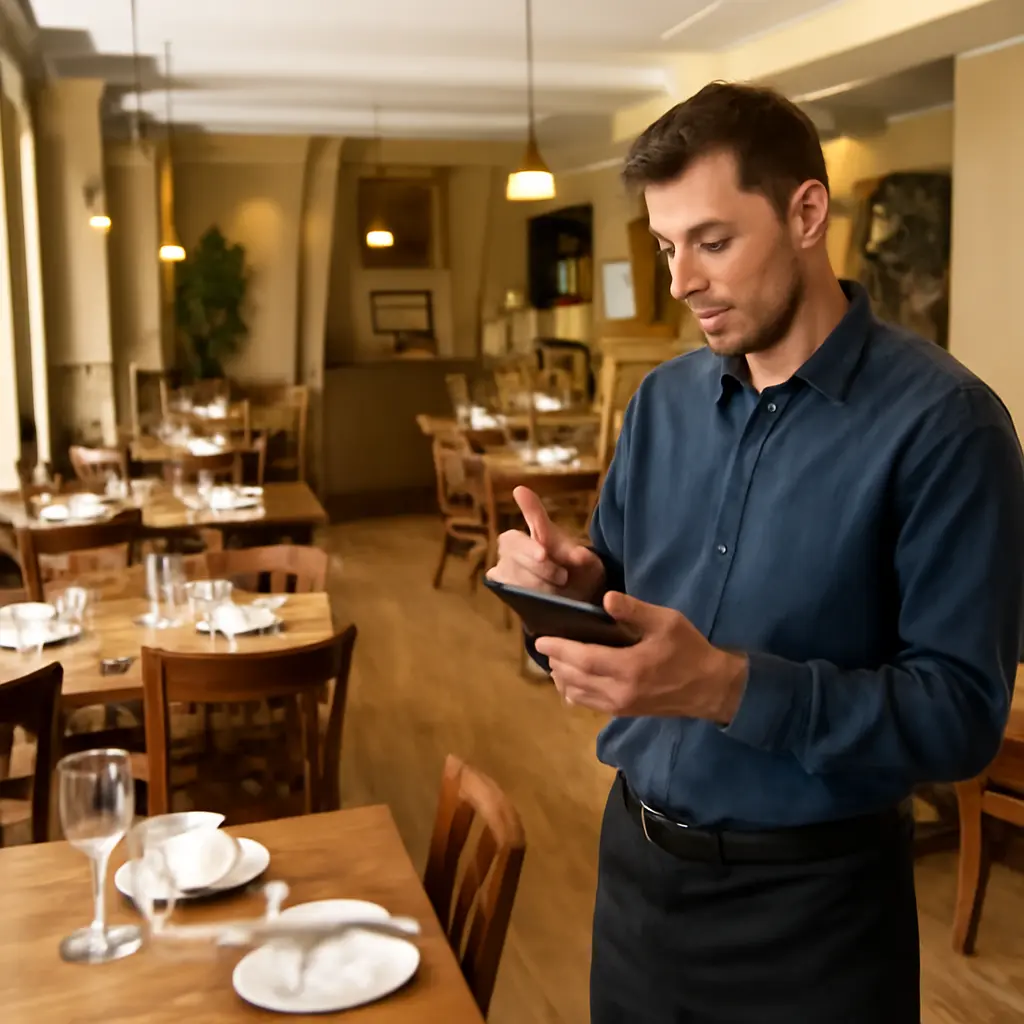
A restaurant reservation waiting list is a queue for tables that are unavailable at the time a guest wants to dine; at a small number of celebrated restaurants, demand can exceed capacity so dramatically that booking a date may require months or years of planning. The most famous cases are not always literal, continuously maintained queues: some restaurants release seats only in limited booking windows, while others use lotteries, deposits, or recurring reservations. The long waits reflect a mix of scarce seating, concentrated demand, high-profile reviews, and booking rules—not simply a restaurant’s popularity. Understanding how these lists work, which restaurants have reported lengthy waits, and what diners can realistically do helps separate verified policies from viral claims.
Reservation waiting lists: how limited restaurant capacity creates long waits
A reservation waiting list is a system that records guests seeking tables when a restaurant has no suitable availability. It may be a traditional queue, a cancellation list, or a booking calendar that shows no dates until the next release. The distinction matters: a restaurant with no open reservations is not necessarily maintaining a years-long chronological list.
The U.S. Bureau of Labor Statistics reported that food-away-from-home prices rose 3.1% over the 12 months ending in December 2024, illustrating the continuing economic pressures around dining out. That figure does not measure restaurant demand or wait times, but it helps frame why sought-after restaurant seats are a limited, valuable resource. A restaurant can serve only the number of guests its dining room, staffing, hours, and service format allow.
A waitlist is different from a booking calendar
A waitlist records interest and may contact guests when cancellations create openings. A booking calendar, by contrast, displays only the dates and tables currently released for sale. Restaurants that open reservations a month or two ahead can appear fully booked for a long time, even though guests are not waiting in a single queue for years. Diners should check the restaurant’s current reservation policy before relying on claims about a “waiting list.”
Why demand can overwhelm supply
Demand becomes difficult to serve when a restaurant has few seats, limited operating days, long tasting-menu services, or a narrow booking window. Media attention, awards, travel coverage, and social platforms can add sudden interest without expanding the dining room. In a small restaurant, even a modest increase in inquiries can make a popular date appear unavailable almost immediately.
Restaurant reservation waits: famous examples and what the evidence shows
Claims about restaurant waits require careful dating because policies change, and reported waits may refer to a particular period rather than today. Some celebrated restaurants have documented booking bottlenecks; others are commonly described as having “years-long lists” when their actual systems involve periodic releases or closed reservations.
Damon Baehrel, New York: an exceptionally long reported queue
Damon Baehrel, a highly unusual solo-operated restaurant in Earlton, New York, became widely known for reports of a waiting list stretching several years. The New York Times and other outlets described the restaurant’s scarce capacity and substantial advance demand. Its case demonstrates how a very small operation can generate a long queue, but reports from past years should not be treated as confirmation of current availability or booking policy; prospective diners need to verify whether it is operating and accepting reservations.
Noma, Copenhagen: demand managed through reservation releases
Noma has repeatedly attracted worldwide attention, and its reservations have been difficult to secure during high-demand seasons. Rather than describing every unavailable date as a years-long waiting list, it is more accurate to distinguish the restaurant’s announced booking releases from an ongoing queue. Noma announced in 2023 that it would close its regular Copenhagen restaurant at the end of 2024 and shift toward a food-laboratory model, making older descriptions of its reservation process especially time-sensitive.
The French Laundry, California: high demand, but availability changes
The French Laundry in Yountville is frequently cited as a hard reservation because of its reputation and limited dining-room capacity. Its official booking information directs guests to the restaurant’s reservation system, where availability depends on released dates and cancellations. This is an example of why a difficult booking should not automatically be described as a multi-year queue: the practical route is to monitor the official system and its stated reservation rules.
Reservation policies: the systems behind long waits
Restaurants use different booking mechanisms to manage excess demand. These systems determine whether guests wait in sequence, compete for newly released tables, or pay a deposit to secure a seat. Knowing the mechanism is more useful than relying on an undated headline about a restaurant being “booked for years.”
Advance booking windows and timed releases
A booking window limits how far ahead guests can reserve. When dates open at a fixed time, many people may try to book simultaneously, creating a rush that resembles ticket sales. A full calendar may therefore reflect a brief release period rather than a permanent waiting list. Restaurants can also release tables in stages, so checking the official policy and calendar matters.
Cancellation lists, deposits, and no-show controls
Cancellation lists let restaurants offer newly available seats to interested diners. Deposits and cancellation fees help reduce no-shows, which can otherwise leave expensive, perishable service capacity unused. The National Restaurant Association has discussed reservation reliability and technology as operational concerns for restaurants; however, individual deposit amounts and cancellation terms are set by each business and can change. Guests should read the specific terms before booking.
Lotteries and membership-based access
Some venues use lotteries or other controlled-access methods when demand is far greater than the number of seats. These systems do not necessarily shorten the overall wait; they distribute scarce opportunities differently. A lottery also means there may be no first-in, first-served queue to advance through, so claims that a diner can “join the list” may be misleading unless the restaurant explicitly offers one.
Getting a table: practical ways to navigate a long restaurant wait
Diners cannot guarantee a reservation at an oversubscribed restaurant, but they can improve their chances by following the venue’s rules and staying flexible. Reputable booking routes also protect guests from scams and misleading resale offers.
- Check the restaurant’s official website and reservation platform for the release schedule, rather than relying on old articles or social posts.
- Consider less popular days, earlier or later seatings, and smaller party sizes if the restaurant permits them.
- Join an official cancellation list, where available, and respond quickly to a legitimate opening.
- Review deposits, cancellation deadlines, and guest-count rules before confirming.
- Avoid paying unofficial brokers for reservations unless the restaurant clearly authorizes the service.
A useful comparison is to treat restaurant booking like access to a limited-capacity event: the release schedule, venue size, and rules matter as much as the restaurant’s fame. The same reasoning also explains why a popular restaurant may have a short wait on a weekday but no availability for a prime weekend sitting.
Conclusion: long restaurant waits reflect scarcity, not one universal queue
Years-long restaurant waits arise when intense demand meets limited seats, but “waiting list” can describe very different systems: a genuine queue, a cancellation list, or a calendar that opens reservations in batches. Cases such as Damon Baehrel illustrate how constrained capacity can produce extraordinary reported waits, while Noma and The French Laundry show why booking policies and operating status must be checked as of the date a diner plans to visit. For a fair picture, verify the restaurant’s current rules, use authorized booking channels, and treat historical wait-time claims as time-specific. Readers can learn more by consulting the restaurants’ official reservation pages and current reporting from established food publications.
Sources: U.S. Bureau of Labor Statistics, Consumer Price Index—December 2024, https://www.bls.gov/news.release/archives/cpi_01152025.htm; The New York Times, “A Restaurant That’s a 10-Year Wait,” https://www.nytimes.com/2014/08/13/dining/a-restaurant-thats-a-10-year-wait.html; Noma, “Noma 2.0,” https://noma.dk/; The French Laundry, Reservations, https://www.thomaskeller.com/tfl; National Restaurant Association, Restaurant Technology and Operations Resources, https://restaurant.org/.